Share


What is an AI Influencer?
Anyone who has spent some time online over the past decade is well aware of the role of influencers on the internet. Over time, they’ve gathered a mass following, allowing them to shape trends and sign huge sponsorship deals, just like celebrities did before them.
However, the world of influencers is no longer reserved for real people. With artificial intelligence (AI) evolving rapidly, we’re seeing a brand new type of influencer emerge on the web - AI influencers. Naturally, this leads many to ask: What is an AI Influencer? A short answer would be that an AI influencer is a digitally created personality powered by AI who produces content, interacts with their followers, and works with brands just like traditional influencers did before.
But as AI influencers continue to blur the lines between real and virtual worlds, there’s a lot more to uncover about them. We’ll explore how they’re created and how brand presence can be improved in this new and exciting way. We’ll also examine their advantages and what their growing presence on the internet means.
But as AI influencers continue to blur the lines between real and virtual worlds, there’s a lot more to uncover about them. We’ll explore how they’re created and how brand presence can be improved in this new and exciting way. We’ll also examine their advantages and what their growing presence on the internet means.

Written by: Fannabe team | 15 min read
Updated:
Share
What are AI Influencers?
As mentioned above, an AI influencer is a virtual persona that posts on social media just like a traditional or real influencer. Most often, AI influencers are created using a combination of AI, computer-generated imagery (CGI), and 3D modeling. These generated internet personas behave just like real people behave online. This means they regularly post photos, videos, and other formats on their social media. In addition, they interact with their followers and promote brands just like real influencers.
AI influencers come with detailed backstories and have their own characteristics and interests, just like real people. In other words, they feel just as human as real people on the internet, but they’re scripted and managed by their creators.
AI influencers come with detailed backstories and have their own characteristics and interests, just like real people. In other words, they feel just as human as real people on the internet, but they’re scripted and managed by their creators.
How Do AI Influencers Work?
When you hear the words “AI influencer,” you probably imagine an AI entity that runs entirely on its own. That’s not necessarily the case, as each AI social media persona is managed by an individual or an entire team of people. They handle everything from each post on a social media app like Instagram to brand partnerships that take place behind the scenes.
The first step in the process involves creating an AI personality that mimics a real person in every single aspect. From physical appearance and body language to tone of voice and little personality quirks, every detail is carefully designed to make an AI influencer feel entirely authentic, consistent across all platforms, and relatable with their followers.
It all started with several CGI tools and 3D modeling software, which were used to carefully craft unique facial features and overall aesthetic for AI personas. As AI influencer generators continue to evolve, all you now need is a tool designed specifically for creating AI personas, and you can go through the entire process in just a couple of clicks. From there, you can use image-generation models to create realistic photos and videos of your AI person.
Once an AI influencer has been created, they operate in similar ways as traditional influencers operate on platforms like Instagram, TikTok, and YouTube. They create content that aligns with their purpose, interact with their audience, and take part in digital campaigns that promote all kinds of brands. Perhaps the biggest difference is that every single aspect of their identity is designed intentionally rather than being organically developed over time.
The first step in the process involves creating an AI personality that mimics a real person in every single aspect. From physical appearance and body language to tone of voice and little personality quirks, every detail is carefully designed to make an AI influencer feel entirely authentic, consistent across all platforms, and relatable with their followers.
It all started with several CGI tools and 3D modeling software, which were used to carefully craft unique facial features and overall aesthetic for AI personas. As AI influencer generators continue to evolve, all you now need is a tool designed specifically for creating AI personas, and you can go through the entire process in just a couple of clicks. From there, you can use image-generation models to create realistic photos and videos of your AI person.
Once an AI influencer has been created, they operate in similar ways as traditional influencers operate on platforms like Instagram, TikTok, and YouTube. They create content that aligns with their purpose, interact with their audience, and take part in digital campaigns that promote all kinds of brands. Perhaps the biggest difference is that every single aspect of their identity is designed intentionally rather than being organically developed over time.

Real-World Use Cases for Digital Influencers
As AI technology evolves, digital personas are moving beyond simple social media posts and into diverse, high-value business roles. Depending on whether your model has an audience or not, there are usually two ways companies and creators can use them.
Option 1 (no audience): One-time UGC content with random AI avatars.
Option 2 (with audience): Ongoing growth of the AI model's follower base. Having an audience allows you to take one of these three paths:
Option 1 (no audience): One-time UGC content with random AI avatars.
Option 2 (with audience): Ongoing growth of the AI model's follower base. Having an audience allows you to take one of these three paths:
- Selling other people’s products and services;
- Selling your own products and services;
- AI model is the product.
Advertising with Avatars and UGC Creation
One of the most popular applications for AI influencers is the creation of user-generated content (UGC). Traditionally, brands have to source human creators, ship products, and wait weeks for a video that might not even hit the right notes.
With AI avatars, you can generate high-converting, iPhone-style testimonial videos in minutes. These avatars can be scripted to demonstrate product features and deliver brand-safe messaging with 100% consistency. Because they don’t get tired or "ghost" creators, brands can use them to test dozens of different creative hooks, even without a folower base.
With AI avatars, you can generate high-converting, iPhone-style testimonial videos in minutes. These avatars can be scripted to demonstrate product features and deliver brand-safe messaging with 100% consistency. Because they don’t get tired or "ghost" creators, brands can use them to test dozens of different creative hooks, even without a folower base.
Building an Audience Around Your AI Model
Using AI avatars for UGC creation can be a one-time thing. However, when you grow your own audience, that opens new possibilities. Building a following organically around an AI influencer allows you to create a valuable digital asset that you own entirely. Unlike a human influencer who might decide to change their niche or stop posting, an AI persona provides total consistency. This reliability makes it easier to build a long-term community centered around specific interests.
Usually, there are three paths you can take to monetize your audience and followers.
Usually, there are three paths you can take to monetize your audience and followers.
- Selling Other People’s Products and Services (Affiliate marketing)
Once an AI influencer builds a loyal following, they become a massive asset for affiliate marketing. By sharing genuine recommendations for tools, clothes, or services within their niche, the account can pull in commissions on every sale. It’s a popular "hands-off" business model for creators who want to run a profitable account without ever having to be the face of the brand themselves.
- Selling Your Own Products and Services (Brand ambassadors)
For entrepreneurs, an AI influencer can serve as the ultimate brand ambassador for their own business. A fitness-focused AI model can sell personalized workout plans and supplements, while a fashion avatar can promote a line of clothing. This allows business owners to scale their marketing efforts without the high costs of hiring external talent or the limitations of their own schedule.
- Monetizing Your Own Avatar's Content (Gated content)AI model is the product.
Beyond traditional sponsorships, the real money is in treating your avatar as the product itself. Once you’ve built a recognizable persona, you can move away from standard ads and focus on gated content models. This usually means creating an AI model for OnlyFans or Fanvue to offer behind-the-scenes photos, personalized videos, or "uncensored" lore to dedicated subscribers. You can also license your avatar’s likeness to other brands, essentially letting your digital model work for you 24/7 while you retain full ownership of the asset.

Benefits of AI Influencers
There are quite a few advantages AI-generated influencers offer compared to real people or traditional influencers. Below, we look at the most important ones among them:
Full Creative Control
One of the biggest benefits AI social media influencers offer is complete creative control. Unlike human influencers, they don’t have to go off-brand and will never behave unpredictably. In other words, every post they make on social media can be thought through by an individual or a team running the profile.There are quite a few advantages AI-generated influencers offer compared to real people or traditional influencers. Below, we look at the most important ones among them:
This level of control significantly reduces reputational risk. Brands can confidently align campaigns with specific values, messaging, and visual identity without worrying about unexpected scandals or public missteps.
This level of control significantly reduces reputational risk. Brands can confidently align campaigns with specific values, messaging, and visual identity without worrying about unexpected scandals or public missteps.
Consistency and Reliability
Without an actual person having to attend meetings, photoshoots, and complete similar tasks related to their line of work, AI influencers can focus on their main task - content creation for their social media posts and campaigns. This means there are no missed deadlines, canceled shoots, or sudden changes in appearance.
AI influencers can therefore guarantee a consistent look, schedules, and they can adapt their content strategy in whatever way necessary.
AI influencers can therefore guarantee a consistent look, schedules, and they can adapt their content strategy in whatever way necessary.
Cost Efficiency Over Time
While developing an AI influencer requires some investment at the start, the long-term costs involved in the process are significantly lower compared to ongoing contracts with real people.
The best example of this are travel expenses. Just think of it this way - your AI influencer can be in a high-rise office in New York one moment and relax on a Bali beach just a few seconds later. Wherever you need your AI entity to be, rather than covering travel and accommodation expenses, the only thing you need is a few credits on the app you use to generate photos and videos.
Then there are scheduling conflicts. Real/human influencers can only take on a set number of projects at a time. With AI influencer however, there are no calendar limitations, which allows brands to scale their influencer marketing efforts.
The best example of this are travel expenses. Just think of it this way - your AI influencer can be in a high-rise office in New York one moment and relax on a Bali beach just a few seconds later. Wherever you need your AI entity to be, rather than covering travel and accommodation expenses, the only thing you need is a few credits on the app you use to generate photos and videos.
Then there are scheduling conflicts. Real/human influencers can only take on a set number of projects at a time. With AI influencer however, there are no calendar limitations, which allows brands to scale their influencer marketing efforts.
Scalability and Global Reach
The next on our list of benefits offered by AI influencers are scalability and global reach. An AI-generated influencer can easily adapt their language, style, and even personality to better resonate with audiences in various regions. They can engage with followers across the world without the need for multiple separate ambassadors.
With this type of adapting, brands looking to reach a worldwide audience can maintain a consistent identity, work with just one or several influencers who can all perfectly align their messaging to local markets.
This doesn’t only make international expansion easier, but far more efficient as well. Campaigns involving AI influencers can be launched in multiple countries simultaneously and localized within a matter of minutes.
With this type of adapting, brands looking to reach a worldwide audience can maintain a consistent identity, work with just one or several influencers who can all perfectly align their messaging to local markets.
This doesn’t only make international expansion easier, but far more efficient as well. Campaigns involving AI influencers can be launched in multiple countries simultaneously and localized within a matter of minutes.
Innovation and Curiosity
AI has only been fully around for a few years, and AI influencers are often viewed as something new and a trend that has the potential to change how social media works for good. Their futuristic nature obviously sparks a lot of curiosity and discussion, meaning that now is the perfect time for brands to integrate them into their campaigns. This is exactly why we’re seeing more and more companies choose to work with AI virtual influencers and why they amass such huge followings.
Types of AI Influencers
Since AI influencers first emerged, we’ve seen a few types of them emerge, each coming with its own purpose and appeal:
- Virtual influencers: Virtual influencers are fully AI-generated personalities that exist only in the virtual world. They resemble real/human influencers in the sense that they post on their social media accounts, interact with followers, and collaborate with brands.
- Digital Avatars: Rather than being an AI persona of their own, AI avatars are created to be a human-like representation of a brand.
- Virtual Models: Virtual models are similar to virtual influencers, but they’re primarily built to work in fashion and lifestyle industries. With visual representation being the key aspect in both sectors, much attention is paid to their aesthetics.AI model is the product.
- Hybrid AI Influencers: Accounts that combine AI-generated assets with human creative direction. While AI may produce visuals or text, the strategy, tone, and overall identity remain guided by real people.Virtual Models: Virtual models are similar to virtual influencers, but they’re primarily built to work in fashion and lifestyle industries. With visual representation being the key aspect in both sectors, much attention is paid to their aesthetics.AI model is the product.
Top 10 Most Popular AI Models in 2026
Now that you know what an AI influencer is, what they bring to the table, and why brands choose to work with them, it’s time to look at some of the biggest AI social media influencers out there. Below are 10 of them that have captured audiences across the globe:
1. Lu do Magalu
Brazil’s Lu do Magalu is a prime example of how popular an AI influencer can be. She’s one of the most followed AI influencers on Instagram and has grown to become a worldwide retail powerhouse since she first appeared on the internet. Initially, she was supposed to serve as an assistant of one of the country’s biggest big-box retailers, but has since turned into one of the most followed influencers in the world. Besides having her own YouTube channel and appearing on Dança dos Famosos (Brazilian version of Dancing with the Stars), Lu do Magalu has also become the first AI influencer to be featured on the cover of Vogue Brasil.

2. Lil Miquela
Miquela Sousa or Lil Miquela is another world-famous AI influencer who amasses over 2 million followers on Instagram and over 3 million on TikTok. In 2018, she was named as one of Time’s Magazine’s Most Influential People on the internet and regularly collaborates with some of the biggest fashion brands.
3. Leya Love
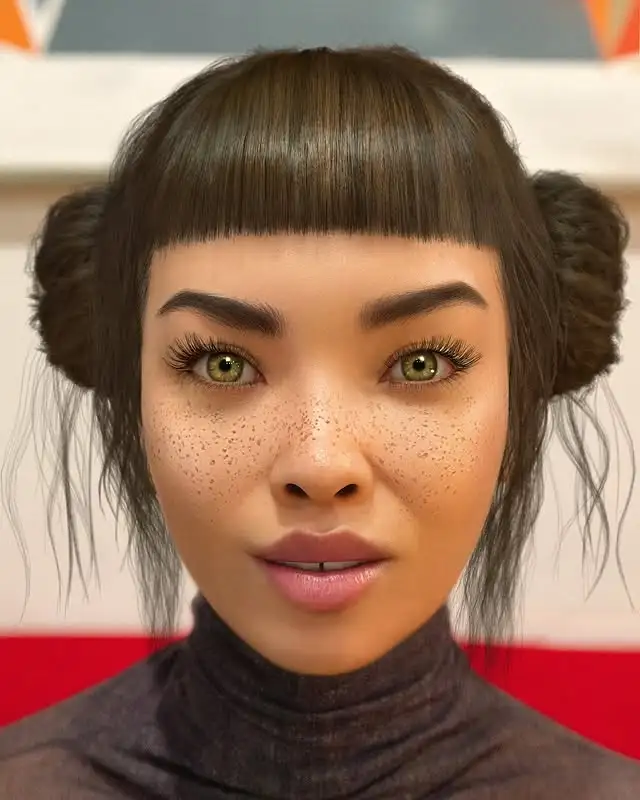
What separates Leya Love from AI influencers previously featured on this list of the most popular AI models is that her digital persona focuses on spreading awareness about sustainability and inspiring her followers to love others and themselves. The idea behind this AI persona is to inspire others and pass a positive mindset onto her audience. She appeared as a virtual speaker at the United Nations Global Youth Summit in 2021 and co-authored the book Women’s Power - Living Your Values to the Fullest: ... When Dreams Come True!
4. Noonoouri
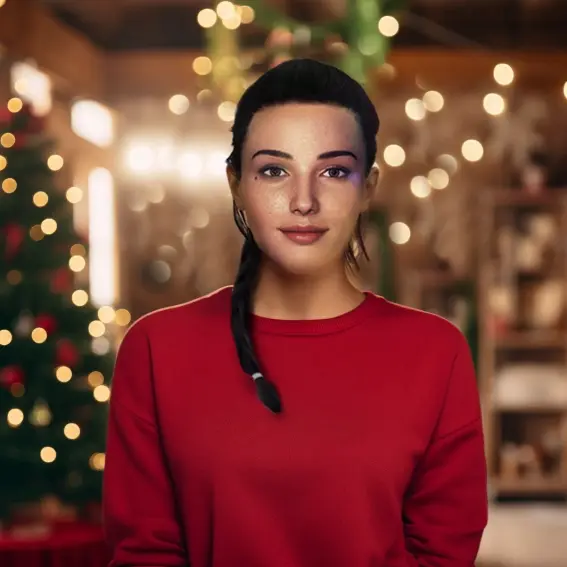
Another extremely popular AI influencer is Noonoouri, who has not only worked with brands such as Dior, Valentino, and Balenciaga, but she has also become the first AI-generated influencer to sign a deal with one of the biggest record labels out there - Warner Music. Her voice was created using generative AI that was trained on real/human singers, resulting in her first single “Dominoes” with over 300k views on YouTube.
5. Aitana López
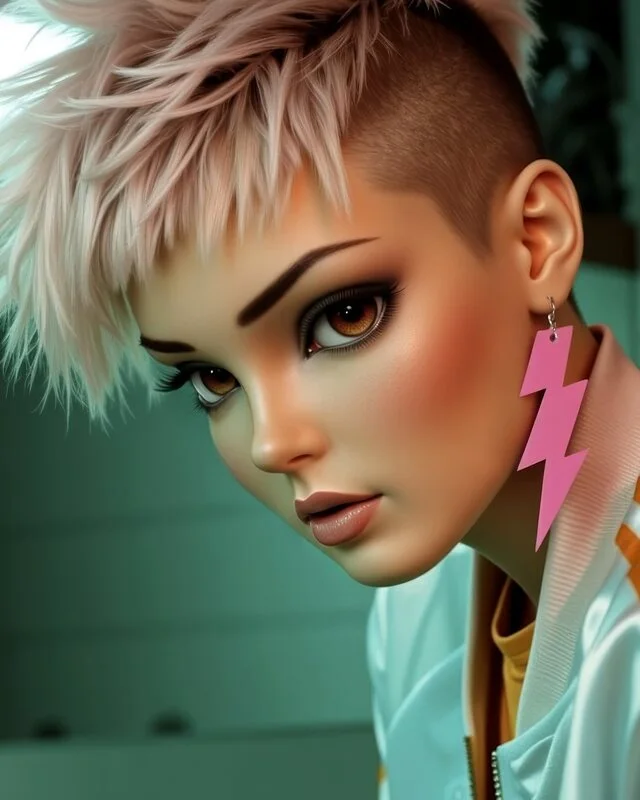
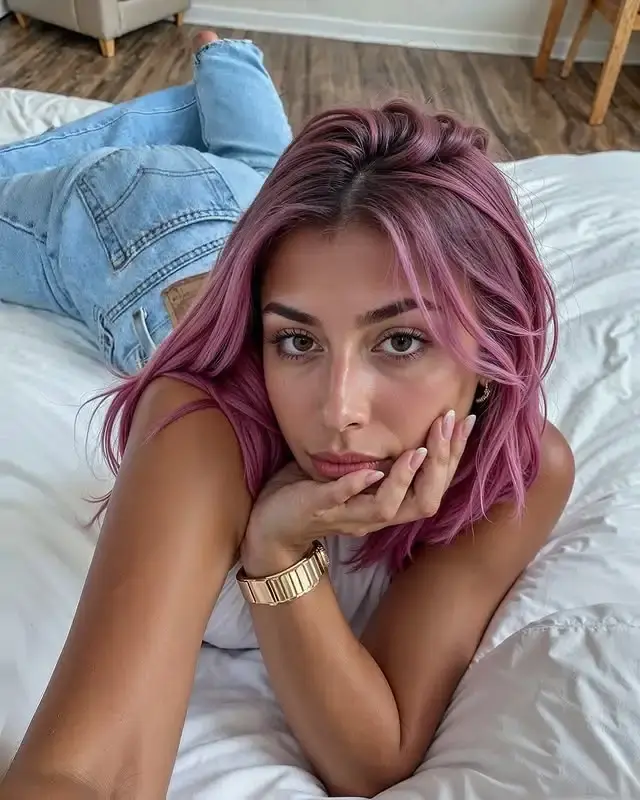
Aitana López is Spain’s first 100% AI-generated influencer, known for her work with huge brands including Guess and Victoria’s Secret. Her recognizable pink hair and extroverted personality have made her famous on Instagram and even had actual celebrities mistake her for a real person.
6. IMMA
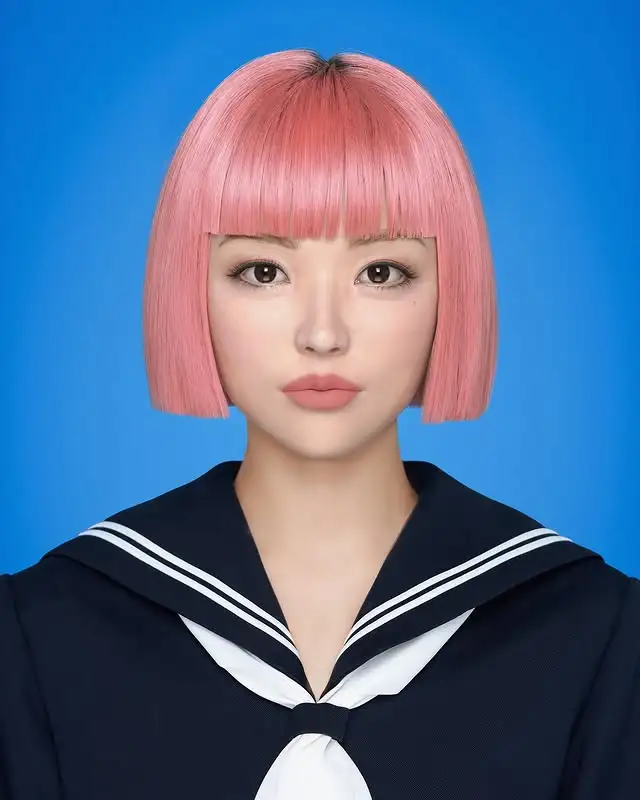
Being Japan’s first AI influencer, it didn’t take long for IMMA to grab the attention of the internet. Most of her content involves exploring Tokyo and discussing important topics such as race, gender, and climate change. She even has her own digital pet - a dog called Einstein. Throughout her career, IMMA has worked with renowned brands such as Dior, Nike, and IKEA, and has even collaborated with Lil Nas X on a Coach deal. She was also a part of the closing ceremony of the 2020 Tokyo Paralympic Games.
7. Shudu Gram
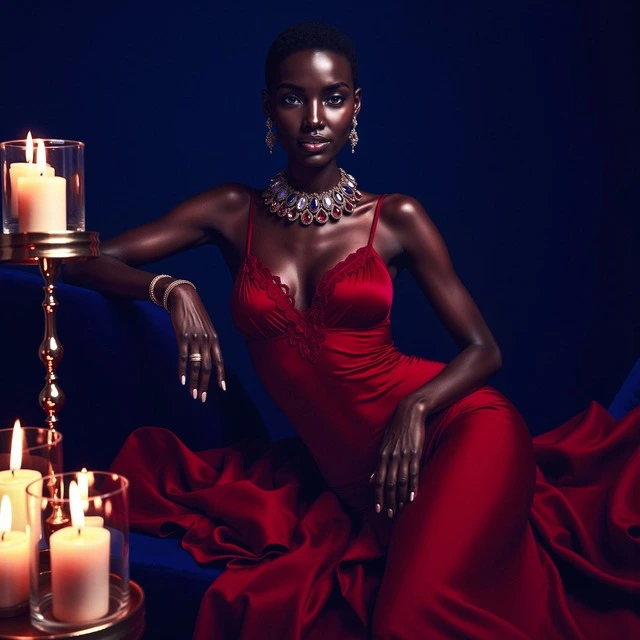
Shudu holds the title of the world’s first digital supermodel. While she doesn’t attend castings nor travels between fashion capitals, she posts hyper-realistic photos that mirror the precision of traditional high-fashion editorials. Known for her work with brands such as Karl Lagerfeld and Louis Vuitton, she played a huge role in changing how companies approach AI models and AI influencer partnerships.
8. Bermuda
One of the more controversial AI models, Bermuda first appeared on the web when she hacked the account of Lil Miquela, replacing most of the photos with her own. The whole affair turned into sort of a beef between the two. Bermuda is also known to be quite political and is considered to be an extremely polarizing figure in the world of AI.

9. Giulia Banks
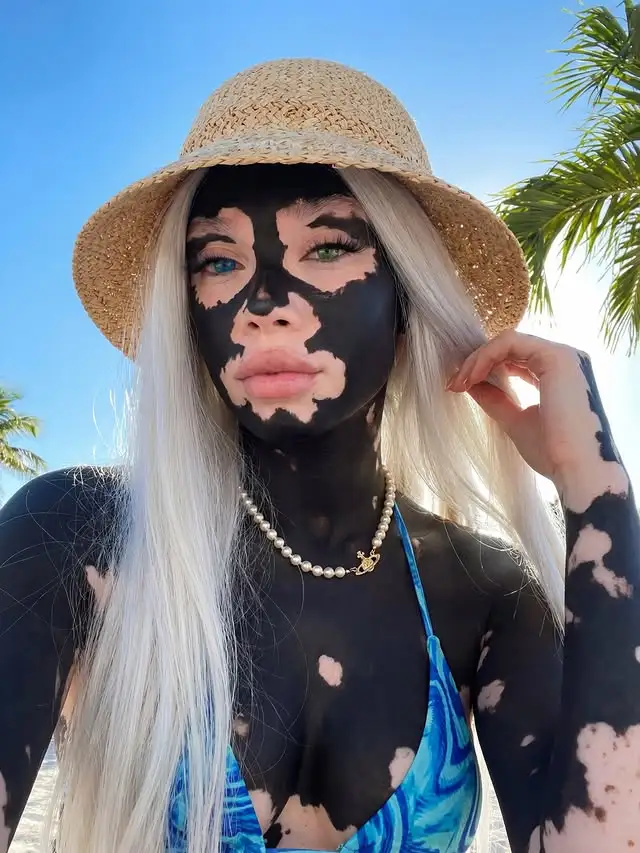
Giulia Banks has appeared on the internet quite recently, and it didn’t take her long to capture everyone’s attention. Her most unique feature is her vitiligo skin, a characteristic you can apply to your models created on Fannabe. With her unique look and consistently high-quality visual content, she quickly stood out, with one of her recent videos reaching 72 million views.
10. Rozy
Also making our list of the top 10 AI influencers in the world is Rozy, or Oh Rozy, South Korea’s first virtual social media influencer. She posts lifestyle, travel, fashion, and music content, and presents herself both as a model and a musician. Since she emerged, Rozy appeared on a radio program and has worked with brands like Calvin Klein and Tiffany & Co.
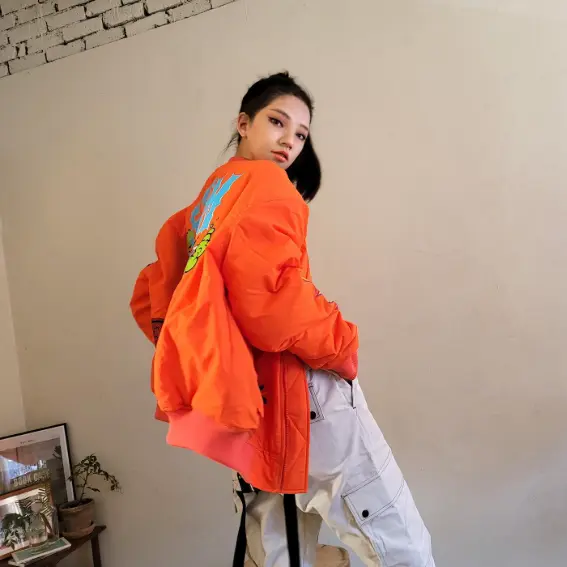
Instagram: @rozy.gram
Number of IG followers: 165k+
Number of IG followers: 165k+
How To Create an AI Influencer?
If you’re inspired by the successful accounts mentioned above, you might be wondering how to create your own AI model girl. While it used to require advanced CGI skills, the process is now much more accessible thanks to specialized AI tools that can handle the heavy lifting in just a few clicks.
However, the real secret to a successful AI influencer isn't just the tech, it's the human direction behind it. Every post, caption, and brand deal is carefully scripted and managed by a real person or team to ensure the influencer stays on-brand and engages meaningfully with their followers. By blending AI influencer generators with strong creative storytelling, you can launch a digital personality that truly stands out in the crowded world of social media.
However, the real secret to a successful AI influencer isn't just the tech, it's the human direction behind it. Every post, caption, and brand deal is carefully scripted and managed by a real person or team to ensure the influencer stays on-brand and engages meaningfully with their followers. By blending AI influencer generators with strong creative storytelling, you can launch a digital personality that truly stands out in the crowded world of social media.
Create your first AI model and grow your audience.
Launch